
Table of Contents
Artist Gazelle Samizay uses video to explore her identity
Gazelle Samizay is a Los-Angeles-based visual artist, who primarily uses video and photography mediums. She is exploring identity through art and working to reject perfectionistic impulses that prevent her from starting projects. She also shares 3 ways beginning photographers and video artists can propel their practice forward and how collaboration has been meaningful to her.
When did you first discover that you were creative? What were you doing?
I first discovered I was creative when I was about three years old. I remember going to preschool at Montessori where I could choose activities. There was an art corner with various shapes to trace, which I did every day. I also enjoyed making paper chains.

How does your creativity manifest?
On a daily basis, my creativity manifests in creative problem-solving. I’m never satisfied with things that don’t work and am constantly looking for solutions. It also manifests in music, drawing and, of course, photography and video.
Does your creative process help you work through problems or philosophical questions? What does art do for your spirit?
The creative process helps me understand ideas or desires that my subconscious is holding onto. I often learn about myself and people that are close to me after finishing a project. It is a process of self-discovery.
Would life be different if you didn’t act on your creativity? How?
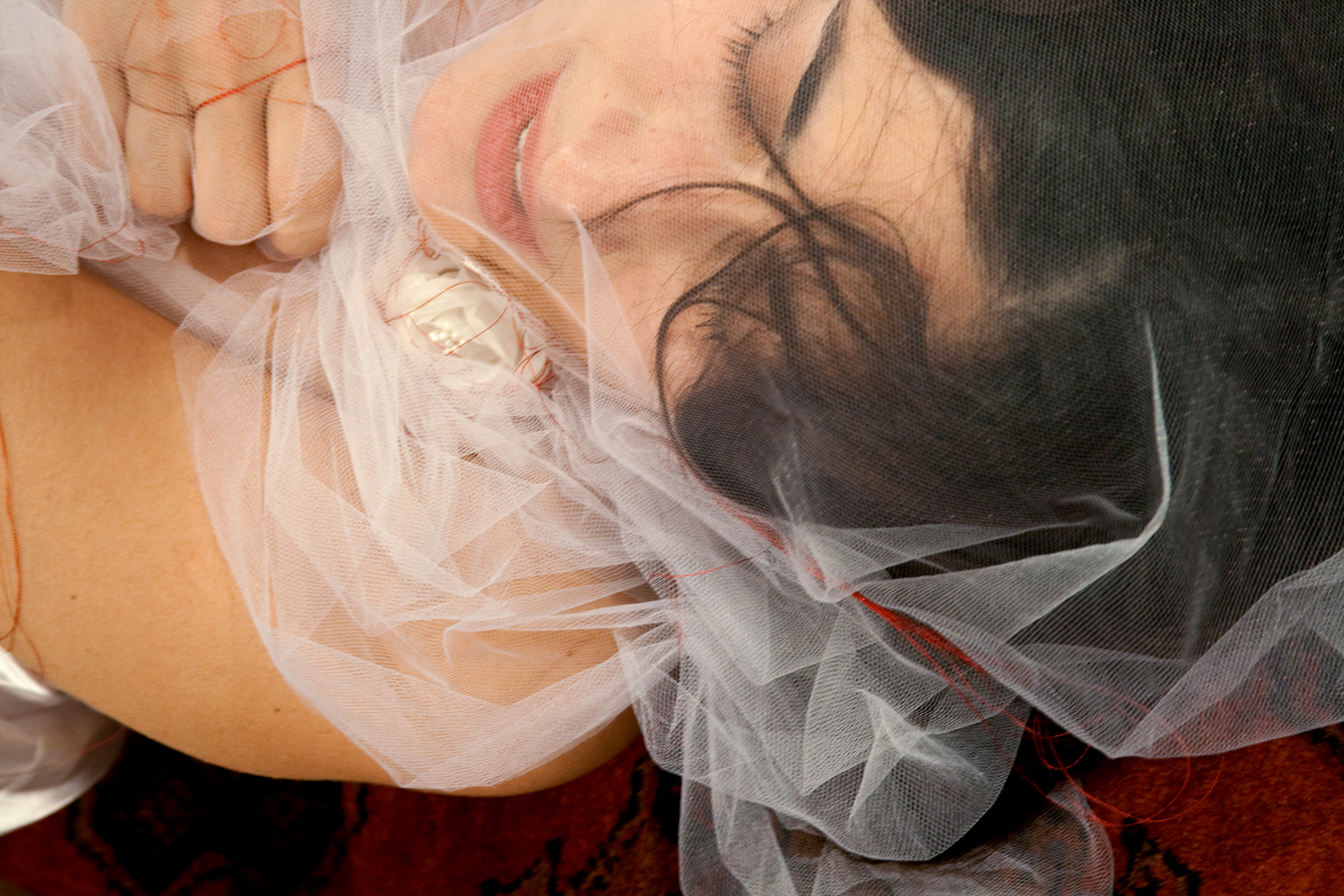
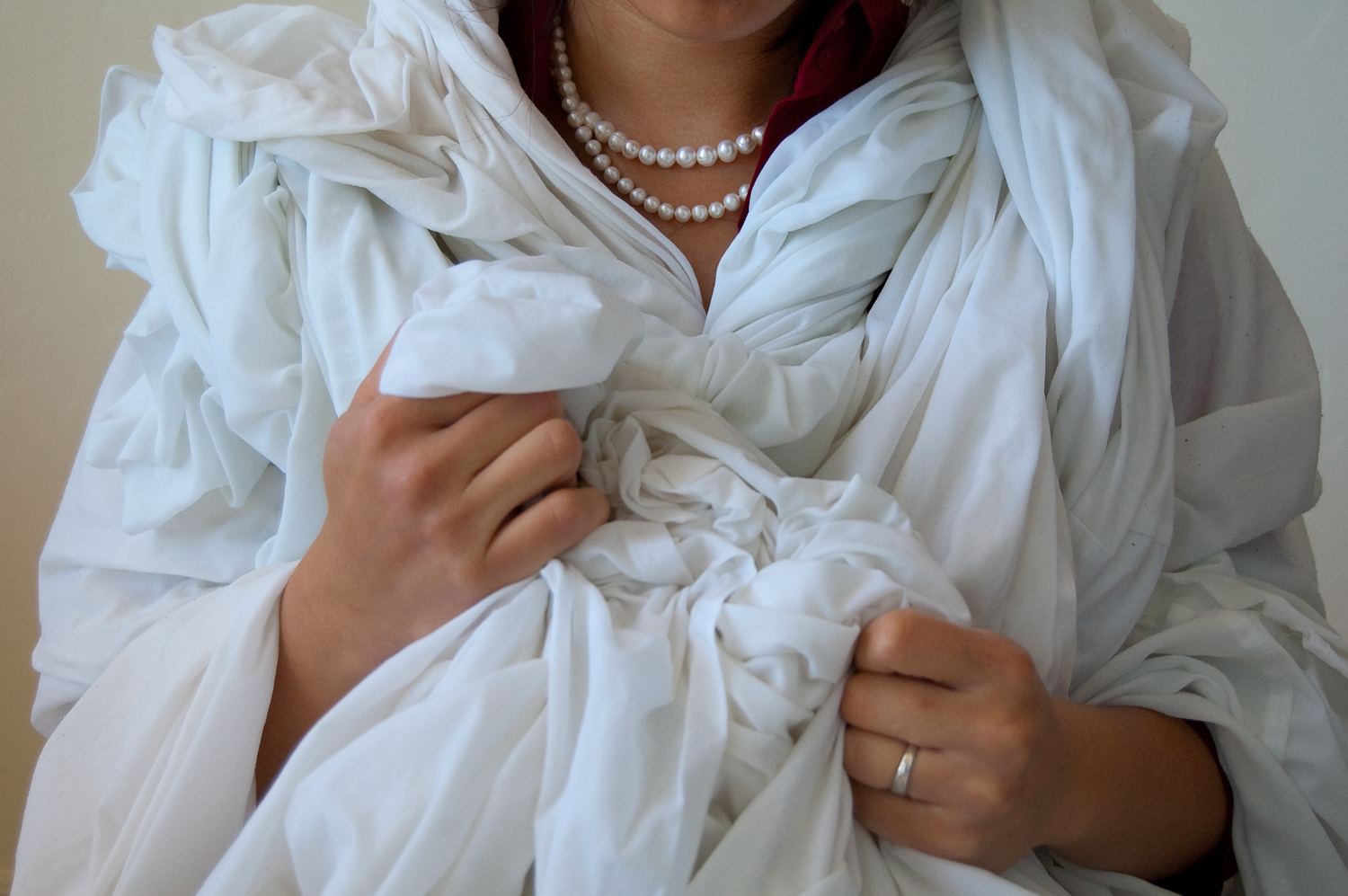
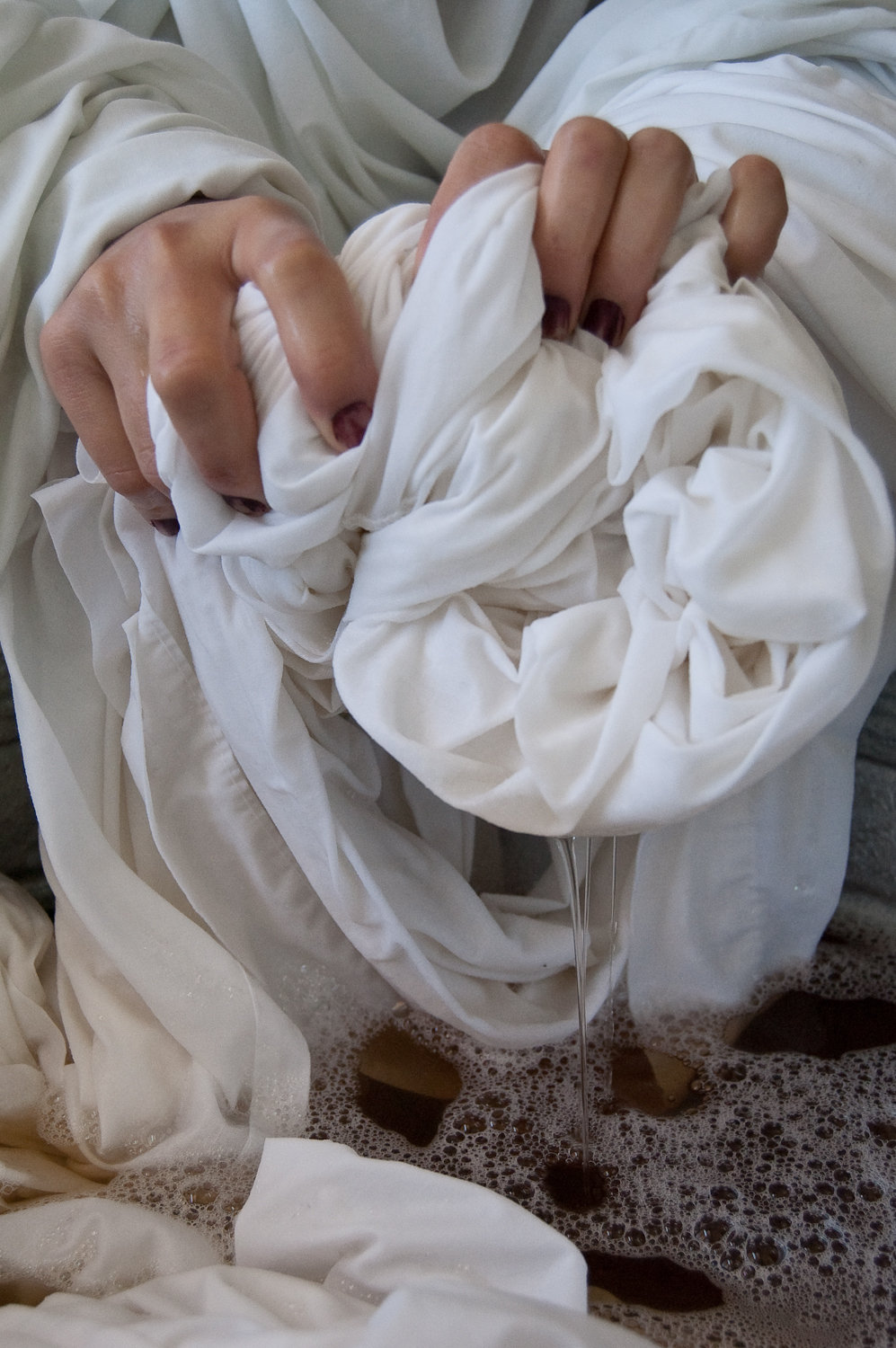
Yes, certain projects have illuminated problems or issues I wasn’t conscious of.“This will be the last—” and Upon My Daughter revealed issues I was trying to ignore, such as relationship problems or the feelings of pressure I felt surrounding marriage and the traditional lifestyle.
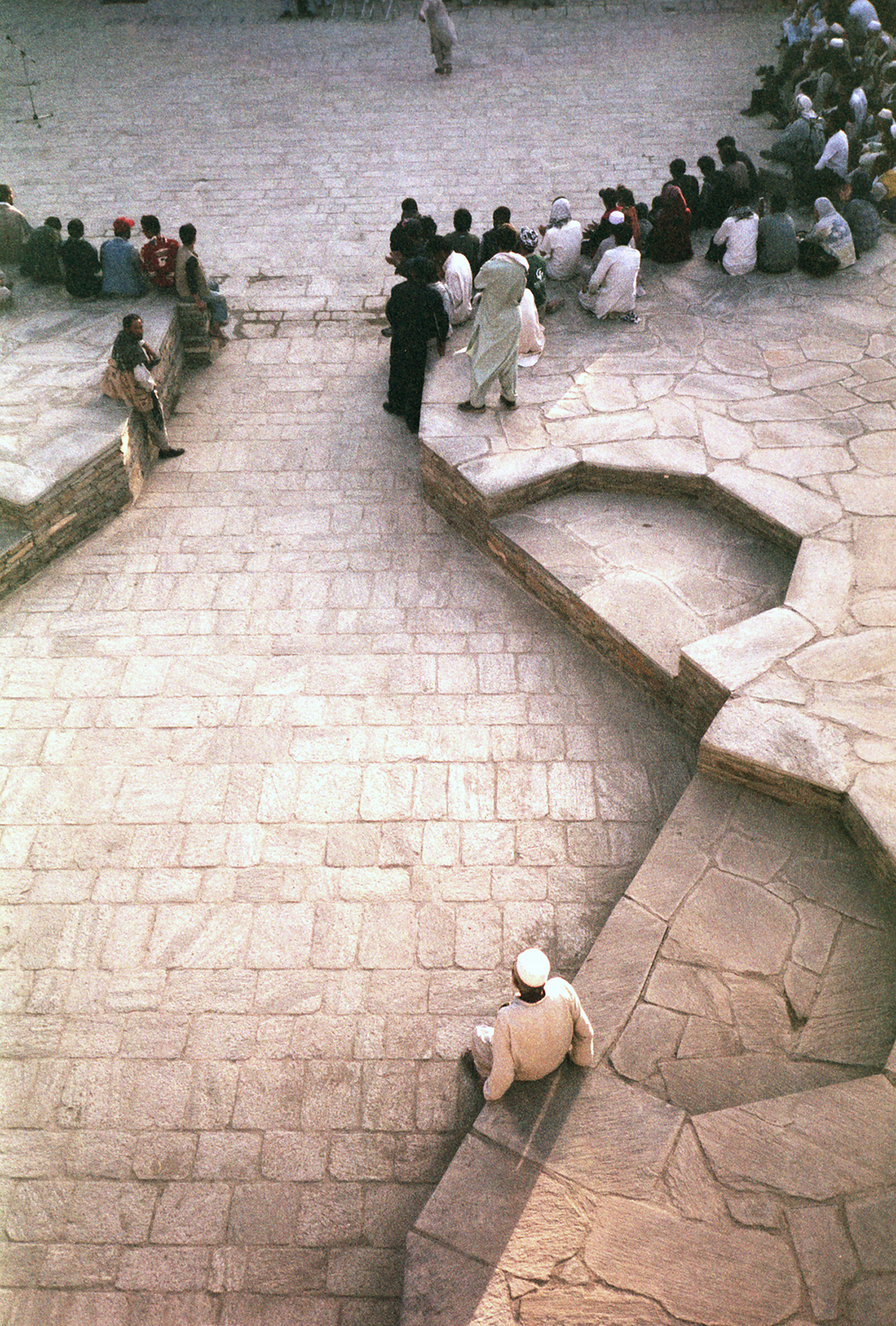
9,409 miles gave me a new appreciation for my parents and the struggles they went through to bring us to this country. It replaced judgments with compassion, awe, and respect for their strength in overcoming their struggles to build a new life in the US.
Where do you “find” ideas?
My ideas come from my subconscious or random images that come to mind. “This will be the last—” started with the mental image of washing a sheet; Upon My Daughter started with the image of a woman lying under a web of threads and 9,409 miles started with the image of a scotch glass sitting on a napkin. Ravel was born out of an emotional breakdown where I imagined my griefs in the form of weeping bottles.

How do you decide if an idea is viable? Do you act on all your creative ideas? What do you do if something isn’t coming together?
Unfortunately, I think too much about whether an idea is viable and I’ve been practicing just working on an idea before thinking about whether it is physically possible or easily communicated to the viewer. Overthinking has prevented me from acting on every creative idea that comes to mind, as have time limitations.
I have so many ideas but I am also trying to complete old projects that have been delayed due to creative blocks. Lack of funds prevents me from working on every creative idea. If I could hire people to help me see things through I would be able to act on every idea and I wouldn’t have as many practical concerns.
I’m a perfectionist so when things don’t come together I can get frustrated and discouraged. However, I try to ask other artist friends for suggestions to problems rather than completely giving up. Sometimes giving space to a project will help give me perspective or refresh my mind with new approaches to the problem.
Do you ever collaborate with other artists or creative people? Do you enjoy it?
I enjoy brainstorming and collaborating with other artists. It usually gives me inspiration and ideas for new ways of doing things and it’s nice to have the support as well.

What do you think has been your most successful creative piece/project? Why was it successful?
Two projects come to mind, with different definitions of success.
I think Upon My Daughter was the most successful in terms of being able to communicate a clear idea to the viewer in the way I envisioned. I did have funding for this project so that certainly helped give me the tools and resources to make this project an accurate reflection of my original idea.
The second project that comes to mind is Ravel. It is an abstract rather than narrative piece, so I’m not certain that the ideas behind the piece are clear to the viewer.
I was stuck with this piece for a very long time. One day, the editing solution came to me and I ended up using a new style of video editing I had not tried before. This opened up the true possibilities of the medium for me. I see it as a success because I did not submit to my creative blocks and persevered to complete the piece.
Does society or do your friends and family support your creative practice?
I’m lucky in that both my friends and family support my creative practice. I don’t think this society values art unless it is in a commercial realm, such as advertising. It’s difficult to find funding for creative projects and artists are expected to pay to submit their work to film festivals or juried shows. For that reason, I don’t feel that there is a very supportive atmosphere in the US for creative production.
How does your art connect to your ethnicity, your current location, or your community?
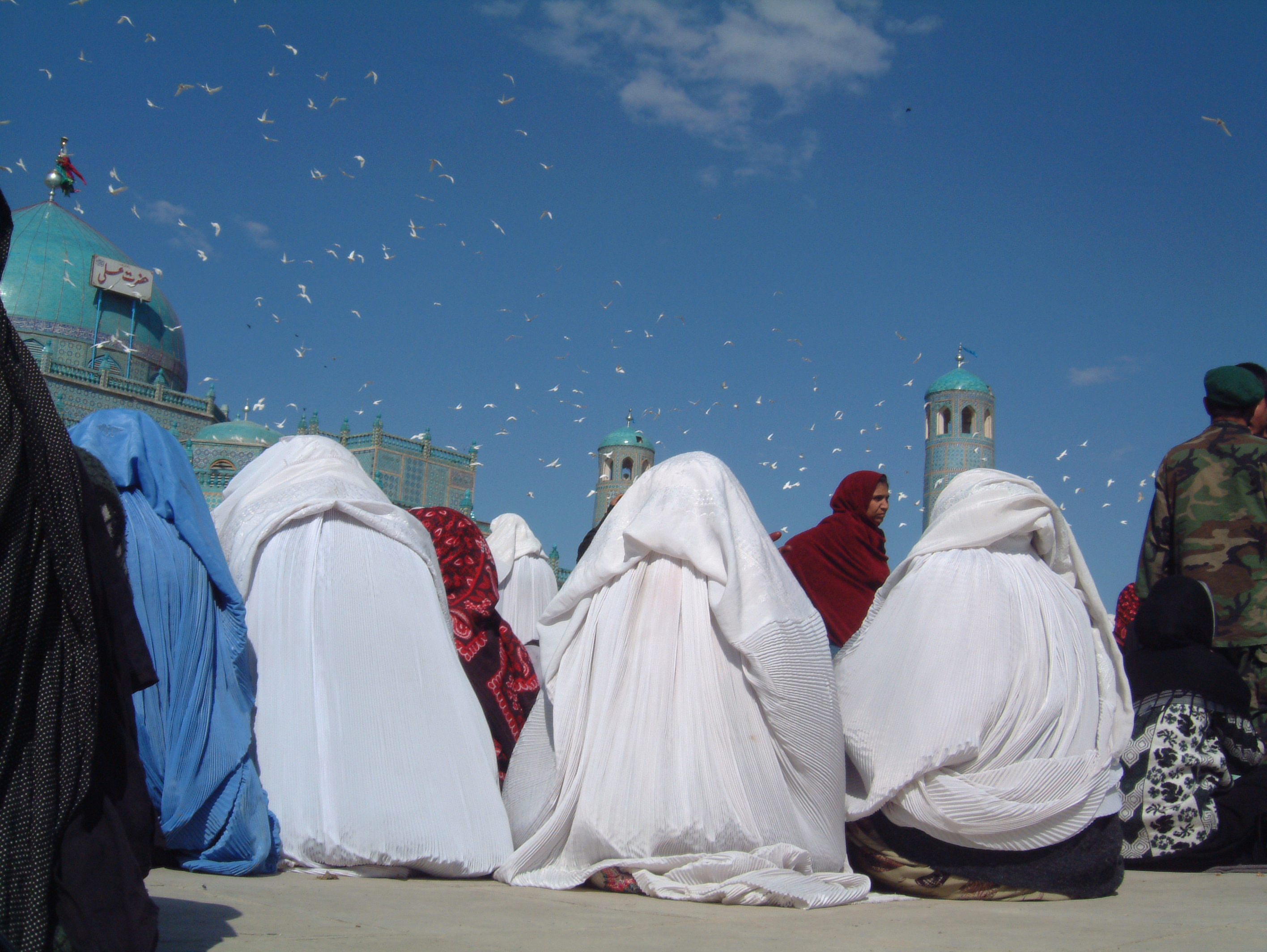
I started using photography to understand my cultural background and birthplace of Afghanistan better. The series Afghanistan: Beyond the Burqa documented my first trip to Afghanistan and was accompanied by personal stories of my experience.
After this project, I started using video to explore aspects of Afghan culture as well as my position as an Afghan-American. Many of my videos demonstrate the Afghan “culture of silence.” For example, Nosh-e Jan (Bon Appetit) looks at the practice of secret keeping, 9,409 miles reveals what is really said during the silence of the breakfast table and in Upon My Daughter, the female protagonist feels the pressure of unspoken social expectations.
What are three pieces of information you can offer people starting out in photography or film?
Having community is important. You can’t always create projects on your own, especially when they’re ambitious ones, and collaborating with others can push your work in new ways. If you don’t yet have an art community, try to create one:
- Do a search on Meetup for a critique night, or create one with a couple artist friends and continue to ask other artists to join.
- Attend art shows that interest you and try to talk to artists at the show. I’m a shy person but have forced myself to talk to people and in a couple cases these people ended up being really good friends. If your own work is included in a group show, introduce yourself to the other artists. You already have at least one thing in common!
Stay in touch with your artistic contacts, former teachers, and friends with a newsletter. I’ve had people I haven’t seen in years offer their support in many different ways after receiving one of my newsletters. - Try to make genuine connections. I’ve been told networking is important since my college years (haven’t we all?), but meeting people just to meet them has never been fruitful and leaves me with an empty feeling, quite frankly. I try to talk to people I am genuinely interested instead. Perhaps I like their work, or think they’re a nice person. Even if they aren’t able to help me in the way of getting an exhibition, for example, I value the support–knowing one more kind person in the art world. Also, you never know how people’s interests and expertise will evolve with time. You might meet someone who is an artist, and three years later you discover they’re curating shows and want to include your work. This is where keeping in touch via a newsletter or social media can also be helpful.
- Have an accountability partner. Procrastination and self-doubt are a bitch. I don’t know of an artist (or anyone who is pursuing their passion), who doesn’t experience it. It can be crippling. An accountability partner is someone that you check in with on a regular basis to report the progress of your work. For example, if I am trying to finish a video piece, I might tell my partner that I will have worked an hour every day on the video by our meeting next Friday. Start with small goals. An hour a day has worked well for me. It doesn’t seem like a lot, but those hours add up and before you know it your piece is finished–often a small miracle for me! Also, your accountability partners do not have to be local. Mine have all been long-distance. We chat via Skype or check in via email.

What are you working on currently?
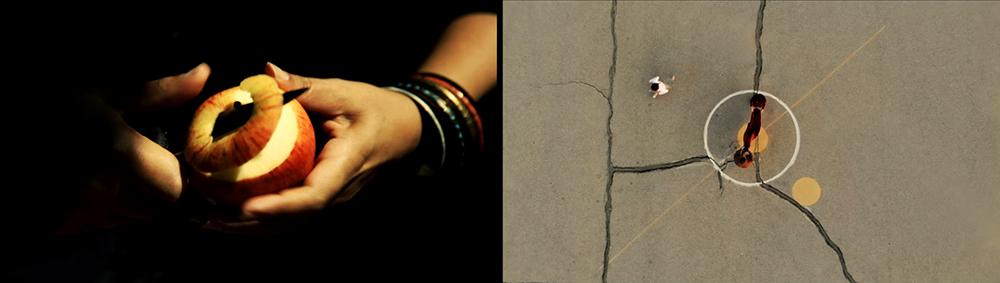
I’m working on two collaborations. The first is a video and photo project called Bepar (Hop) created with Labkhand Olfatmanesh (an artist I met by introducing myself at a group show!).
Employing the common cultural reference of hopscotch (named “lay lay” in Iran and “joz baazi” in Afghanistan), this project explores the universal struggles that girls face as they grow into adulthood. The character relives the personal and political moments of her past, such as war, marriage, generational trauma, and gendered social expectations. The particularities of our experiences as women of Iranian and Afghan heritage fed our collaboration, though Labkhand grew up in Iran, and I grew up in the US, allowing us to create a universal story rooted in specific cultural intersections.

The second project is called There is a Portal, conceived and written by Kayhan Irani and directed by Rania Khali. This multimedia performance uses public storytelling, participatory theater, and video projection to create spaces of healing around themes of migration, assimilation, violence, and racism. My part of the collaboration is to create video art for the performance. Below is a photo from one of the performances:

How have you made it financially possible to focus on art practice?
I have received grants to work on certain projects but they are not always guaranteed. Teaching provides a steady income so that I can dedicate time to my art practice. It also keeps my technical skills sharp.
Do you consider yourself an artist? Do you think artists should starve?
Yes, I consider myself an artist and no, I do not think artists should starve. This is a terrible stereotype that needs to be dismantled from the American consciousness. It is the root of artists thinking they don’t deserve to be paid and non-artists thinking it’s acceptable to get art for free.
Despite what we are told growing up, I believe that being an artist is as equally challenging as being a lawyer or a doctor. There is no doubt that art is an important part of our daily lives.
The objects we use and the homes we live in were designed by an artist. The TV shows and movies we watch are created by artists. The music we listen to was created by an artist.
What would our lives be without these creators? And what about art that engages our communities and asks important questions? For example, how does the Vietnam War Memorial help Americans as a collective acknowledge and grieve the losses of that war? There are some things that are difficult to express and art is there to fill that void.

What challenges have you faced in your creative work?
The biggest challenge I have faced is my own inner critic. Of course, this critic has been fed by outside sources as well (former professors, art critics, gallery owners, etc). The inner critic is always telling me not to do something or that something is not good enough.
Recently I’ve turned a corner and decided to just make for the sake of making. I figure if I end up making something bad, then I will just be contributing to the mass pile of bad art out there and then move on to the next project. Or, maybe I will surprise myself with something interesting and fulfilling.
Have you ever reached an impasse where you thought your work had become impossible? What changed your mind?
In graduate school, I was working really hard. Having deadlines helped keep me moving forward but it got to a point where I realized I was not enjoying the process anymore. I thought I was producing worthy projects but I was stressed and miserable.
Finally, I realized that even if I won a Guggenheim I would still not be happy. I really had to think about whether or not this was the right path for me.
After graduate school, I took some time to work on myself. I switched my goal from being a successful artist to being healthy and happy first. This is why pieces like Left and Ravel have a very self-reflective quality to them. I was really looking at myself and facing what I needed to let go of in order to be a healthy human being. It wasn’t an easy journey and it is still continuing.
It’s important to me to live a life of integrity and being honest with myself about my life’s desires is important, even if they don’t mesh with what others expect of me. I think my art has always been about finding my own voice despite outside expectations.
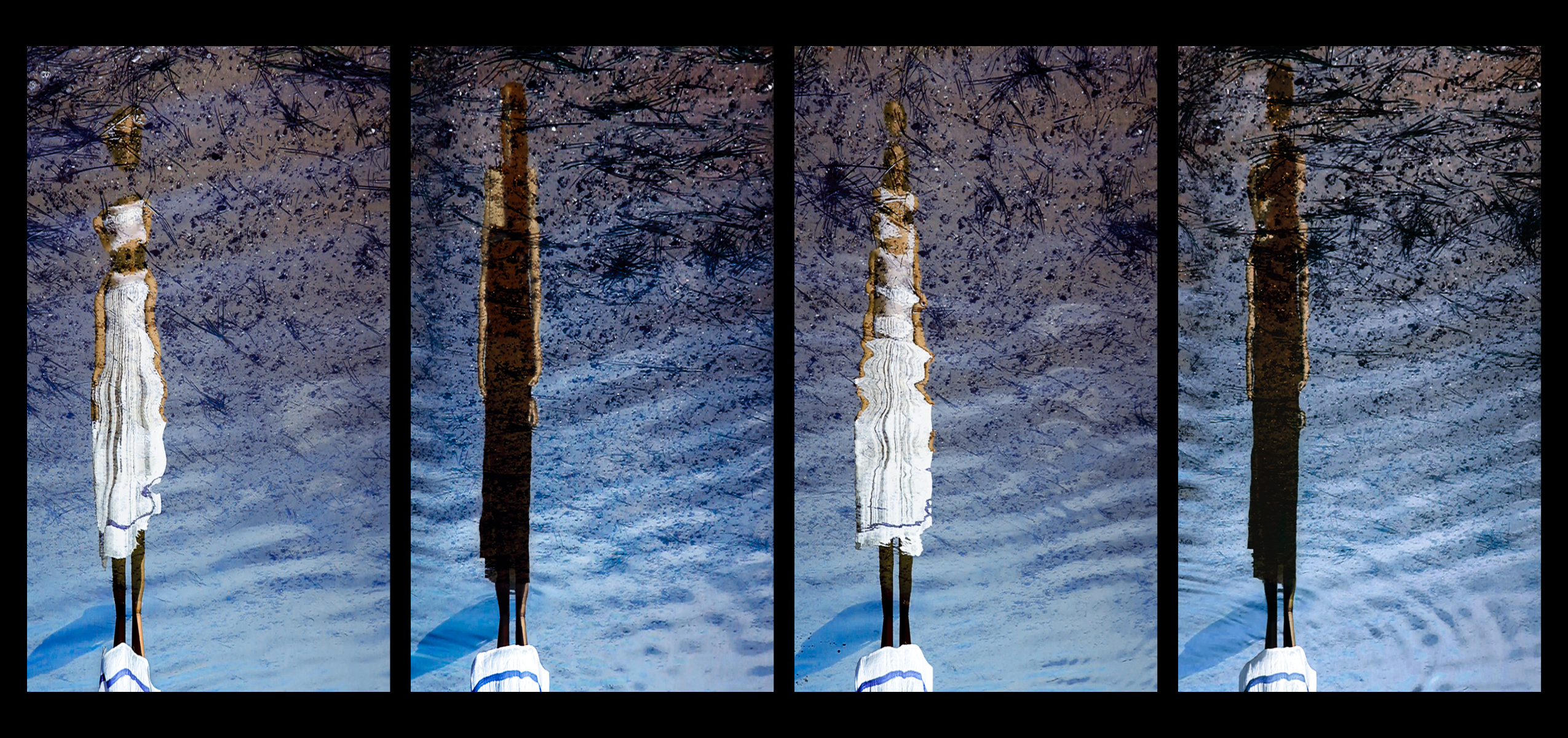
Are there any ideas you wish you had time to act on but haven’t yet? Do you think those ideas will become possible in the future? How do you keep track of your ideas?
Yes, I do have ideas I haven’t acted on yet. I have notebooks where I write down my ideas, but I don’t always revisit them. Part of my new approach is to try every idea I have, even if it is much later than when I first thought of it.
Tell us something we don’t know about you yet:
I think I already revealed quite a bit of personal information. ☺ But, one thing you don’t know about me is that I want to learn how to sing like a soul singer.

Bio:
Gazelle Samizay was born in Kabul, Afghanistan and now resides in Los Angeles. Her photographs and videos have been exhibited across the US and internationally, including Brazil, Bulgaria, Egypt, France, Indonesia, Pakistan, U.A.E and the UK. In addition to her studio practice, she has taught courses in Afghanistan, Jordan and the US, and her writing has been published in One Story, Thirty Stories: An Anthology of Contemporary Afghan American Literature. Samizay is a recipient of the Princess Grace Experimental Film Honoraria, the 1885 Graduate Fellowship in Arts and Humanities, and the Northern Trust Enrichment Award, among others. She received her Master’s in Fine Arts in photography at the University of Arizona. She is a photography professor at the Art Institute of Pittsburgh-Online Division.

Hey, you, want to learn more about creating photo stories?
Learn to create a compelling photo story in only one week by signing up for my FREE email course.
You’ll learn to choose a good story idea, create a clear narrative, and put together a compelling photo story.
The best part is after the week, you’ll have a finished body of work to submit to an exhibit, share on social media, or print for your walls. Sign up here.
Recent interviews in the Q&A: Creatives Speak series:
Interview with author of New Erotica For Feminists, Caitlin Kunkel
For the love of gore, interview with director Cassandra Sechler