
Table of Contents
5 ways to use photographs in your art journal
When I have a second to breathe, I often think about how to keep my brain nimble and creative. It’s not enough to want to be creative, I firmly believe we have to offer fertile ground for our brains to do that.
As I wrote recently on this blog, art journaling is one way I work on creativity. Since I’m primarily a photographer, I am naturally attracted to photographic images but wasn’t originally sure how to incorporate photos into my art pages, besides just pasting them in and calling it a day.
If you’re a photographer looking for a way to keep creative ideas flowing, art journaling is great. And if you, like me, want to include photographs in your art journal, here are 5 ways to use photographs in your art journal.

1. Elevating The SELFie with me
My class Elevating The SELFie, starting April 1st, brings self-portraiture and art journaling into a happy union (see my example above). Although selfies aren’t usually made with much intention, that’s exactly what we’ll be attempting in my class–elevating them to self-portrait status.
Once our portraits are crafted, we’ll incorporate them into our art journals. Using transparency sheets, we can give our journal pages a layered, ethereal and dream-like look and transcend the confines of time and space.
The course is available as part of a bundle called Face Time with 20 other art journaling classes, all centered on bringing faces into your art journal. All 21 courses are available for $128, and once you pay, you own these e-courses for life. Here is the link to buy it.

2. Using photos of objects in your art journal
Artist Catherine Anderson says although it had been her choice to move away from home to a foreign country, she was not expecting the sense of displacement she was filled with. To cope, she started taking photographs and the process helped ground her in her new surroundings.
And how does this relate to art journaling? A blank journal page can be disconcerting. Now, when Catherine wants to work in her art journal, she begins by looking through her personal library of images on her computer. She selects one that is calling to her and prints it–using her laser printer–to a size that will fit in her journal. Next, she starts journaling on it with mixed media.
Catherine says, “Words have always made me feel vulnerable. Images feel safe to me, as I can share my feelings without the need for words, knowing that I am not exposing my soul to those who will not understand.”
Like Anderson, I find comfort in looking through the library of images that I’ve taken. If they aren’t portraits or people-centric, though, I don’t usually go on to use the images in any other way. That’s why this idea of incorporating these photos into my journal pages would give them new life.
Read more about Catherine Anderson’s journaling here.
https://www.createmixedmedia.com/blogs/art-journal-inspiration/self-discovery-series-mirror-mirror
3. Paint over a self-portrait
In Self Discovery Series: Mirror, Mirror, author Brittany VanSnepson offers a straight-forward tutorial about how to use a photographic portrait to create a painting from it. You don’t need a ton of supplies, and even if you’re a beginning painter, the photograph acts as a guide.
The article gives you step-by-step directions on how to create your portrait in paint. Finally, Brittany shares ideas about how to add stencils or additional design elements that aren’t in the photo. I think that’s the most fun part about reimagining a photo in paint, right?
This project looks manageable and like an interesting exercise. I may try it soon. How about you?
http://egbudiwe.tumblr.com/post/121205177823
4. Modifying photographic portraits with pencil and paint
Although there are no details about how this piece of art came about, it looks like it was made by Rikako Nagashima. He may have created it digitally, but if we want to use this for inspiration in art journal it’s possible.
Here is my best guess about how to create something inspired by this.
Supplies:
Thin masking or archival art tape
Cardstock or thin cardboard
Acrylic paints
Ink pens
Magazine portraits or your own portraits on matte or low-gloss paper
Find a portrait in a magazine or you can use a portrait of yourself, printed on a paper that you’d be able to write on (not glossy photo paper) with pencil or ink pen.
Next, to create the interesting paint shapes, you could cut out some cardstock or lightweight cardboard and carefully tape these shapes onto the photograph.
After that, experiment with laying down the paint. Once it’s dry, you can carefully remove the masking tape and cardstock and add any ink or pen that you want to.
If you try this, let me know. I’d love to see the outcome!
https://www.instagram.com/p/BtufoCaB3AL/
5. Follow Natalyn Bradshaw on Instagram
This one is not so much about specific steps to take but if you’ve been interested in incorporating your own portraits into an art journal, you will find Natalyn’s work truly inspiring. From seeing her work, I think she might agree with me that creativity has to be nurtured, and art journaling is a great way to do that.
Her pieces are colorful, fresh and moving. And, her words are an added benefit to the other visual components. See more of her work by following her Instagram.
Yes, that’s all 5 but it turns out I just couldn’t stop there.
Nothing added, nothing removed
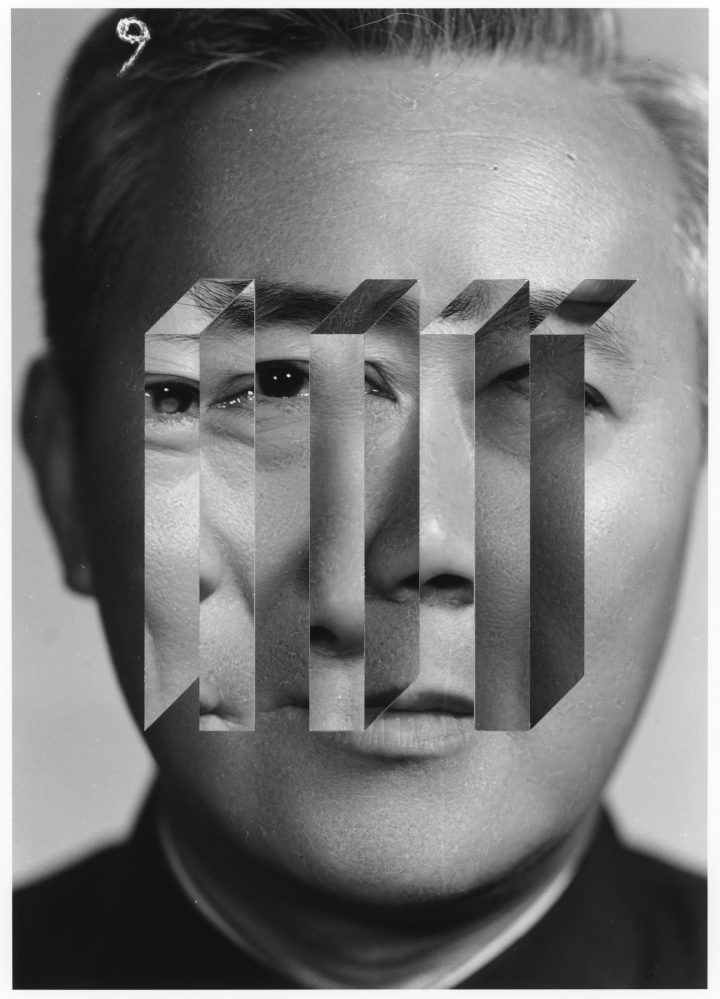
Ok, I said 5 ways but I couldn’t skip this project because it’s a unique approach to reworking photographs. The work is by artist Kensuike Koike who modified found photographs with a scalpel to create these mosaic images. Nothing has been added or removed from the images, they’ve just been reimagined, according to the artist. See more here. Would you have the patience for this?
Will you be trying any of these 5 ways to use photographs in your art journal? Which will be first? Let me know in the comments for a chance to win a FREE Face Time bundle of 21 art journaling classes, including mine!